We stopped a seminar that was working, and started rebuilding it
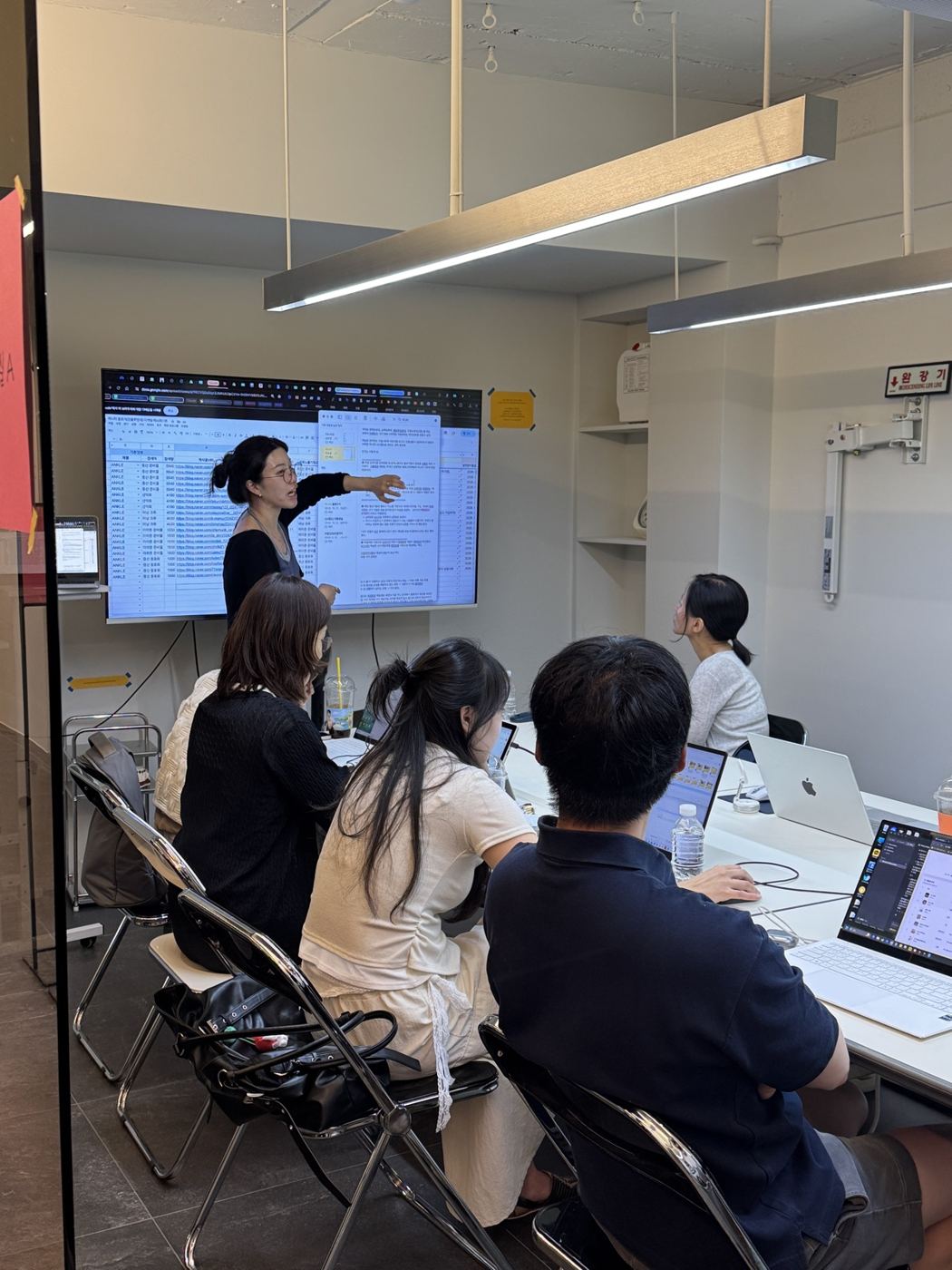
The notes so far were about what we built. This one is about what we're rebuilding.
The seminar ran through eight cohorts with high satisfaction scores. But there was an odd signal. More than 90% of the people who finished asked the same thing: "when's the next course?"
They said they were satisfied, and yet they kept looking for the next one. That struck us as strange.
So we looked into why.
The content was good, but the format was still about delivering a lot of information. Satisfying while you're in the room — and then, afterwards, not actually yours. You learned plenty, but you hadn't built anything with your own hands, so you went looking for the next course.
What was missing wasn't more information. It was the balance between practice and instruction, and the physical time to actually move your hands.
So we decided to stop a seminar that was working, and rebuild the curriculum from scratch.
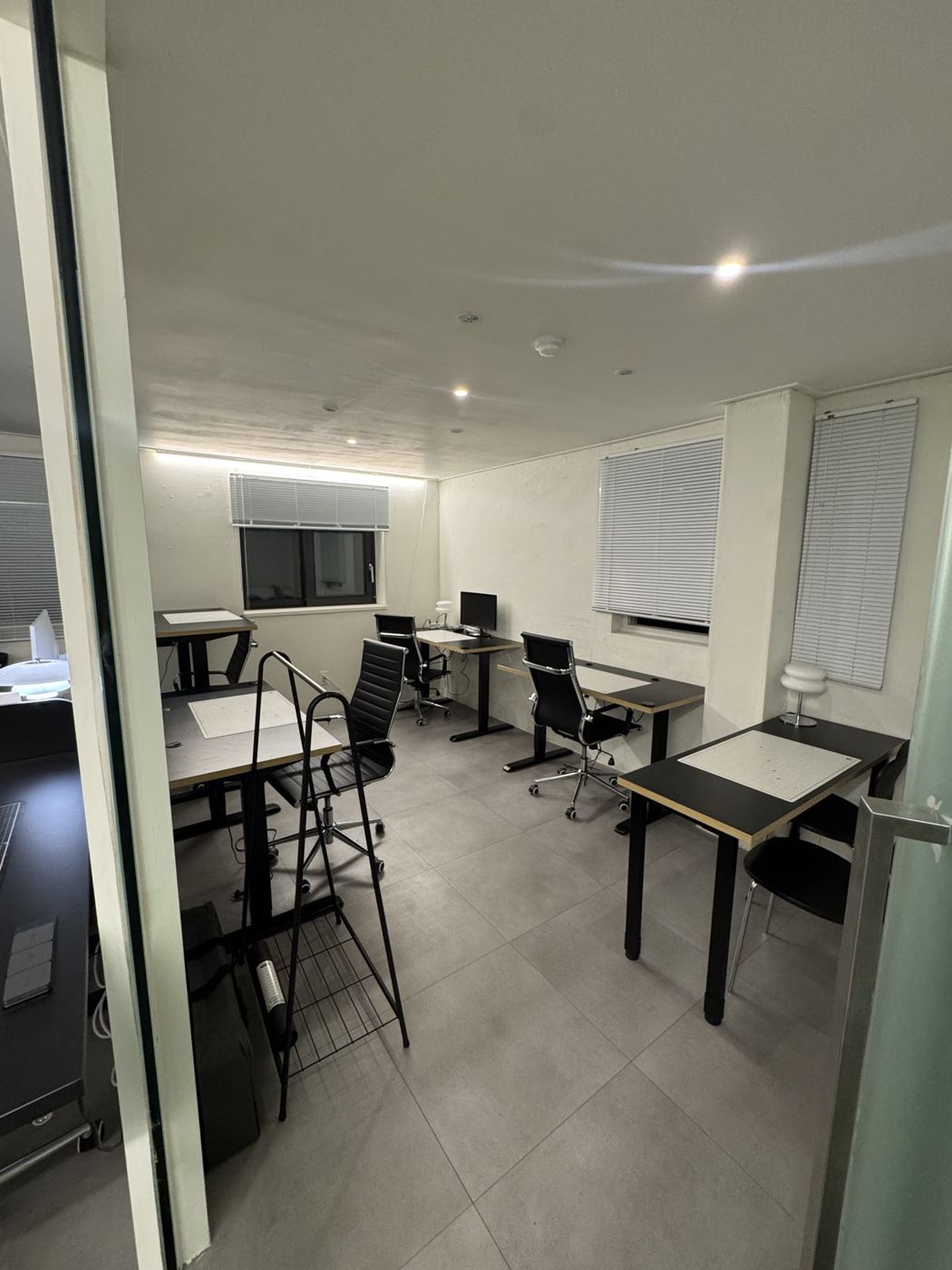
What made that possible was the people.
We didn't bring in outside instructors. It turned out several PEERS members already had serious teaching backgrounds. Going through the lock-in retreat together pulled a team into shape naturally, and they stepped up to teach.
That team is now shaping the real curriculum: not a course that delivers a lot of information, but a hands-on workshop where you walk out carrying something that actually works.
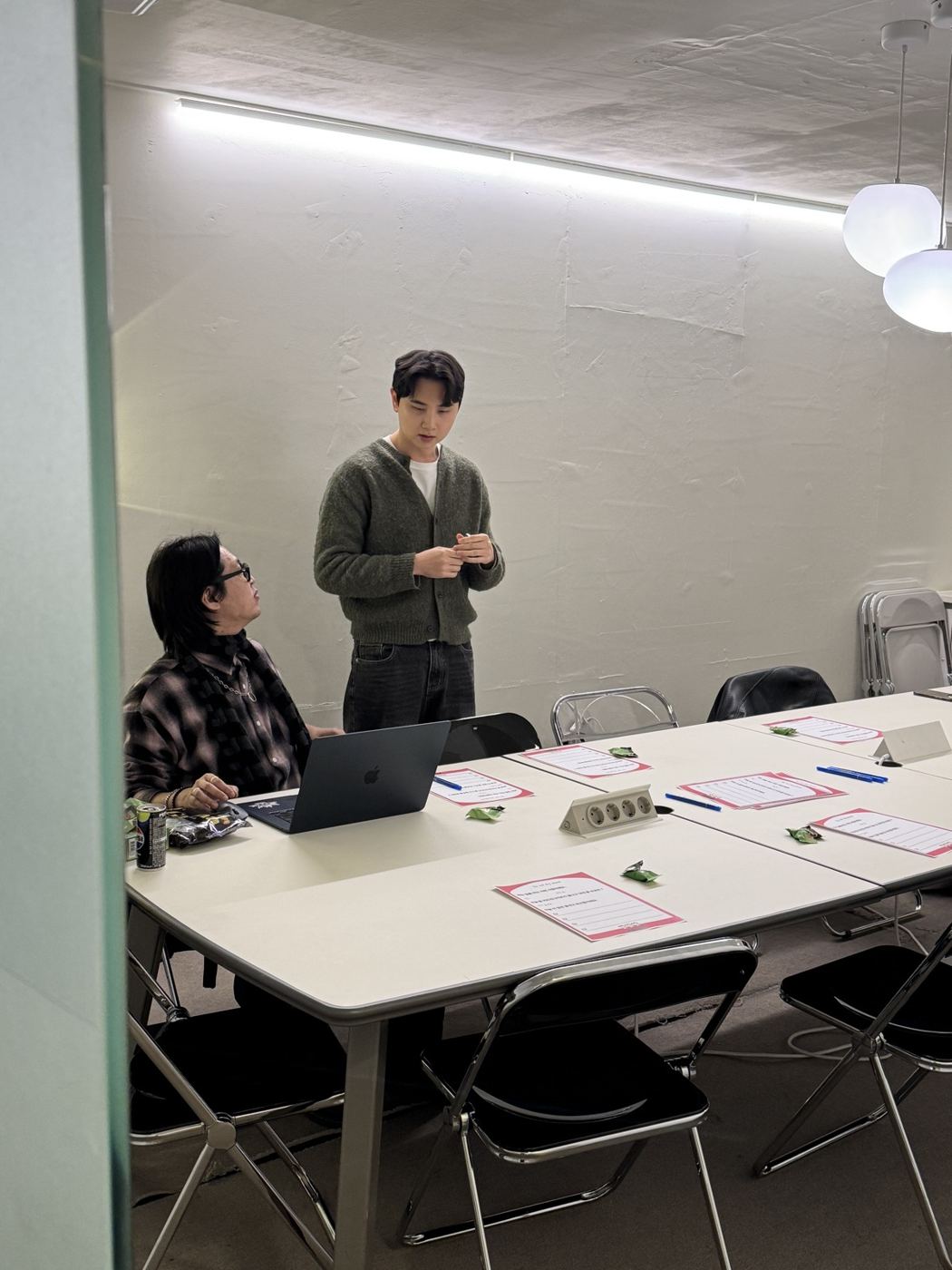
It isn't public yet, so this is as far as this note goes. Once it's ready, we'll show you exactly what the workshop became.
Stopping a course people liked wasn't an easy decision. But what we want to make isn't a review that says "that was good." It's a result that says "one thing about my work changed."
Do not AI alone.
From PEERS