Why 218 people signed up for our Claude Code seminar
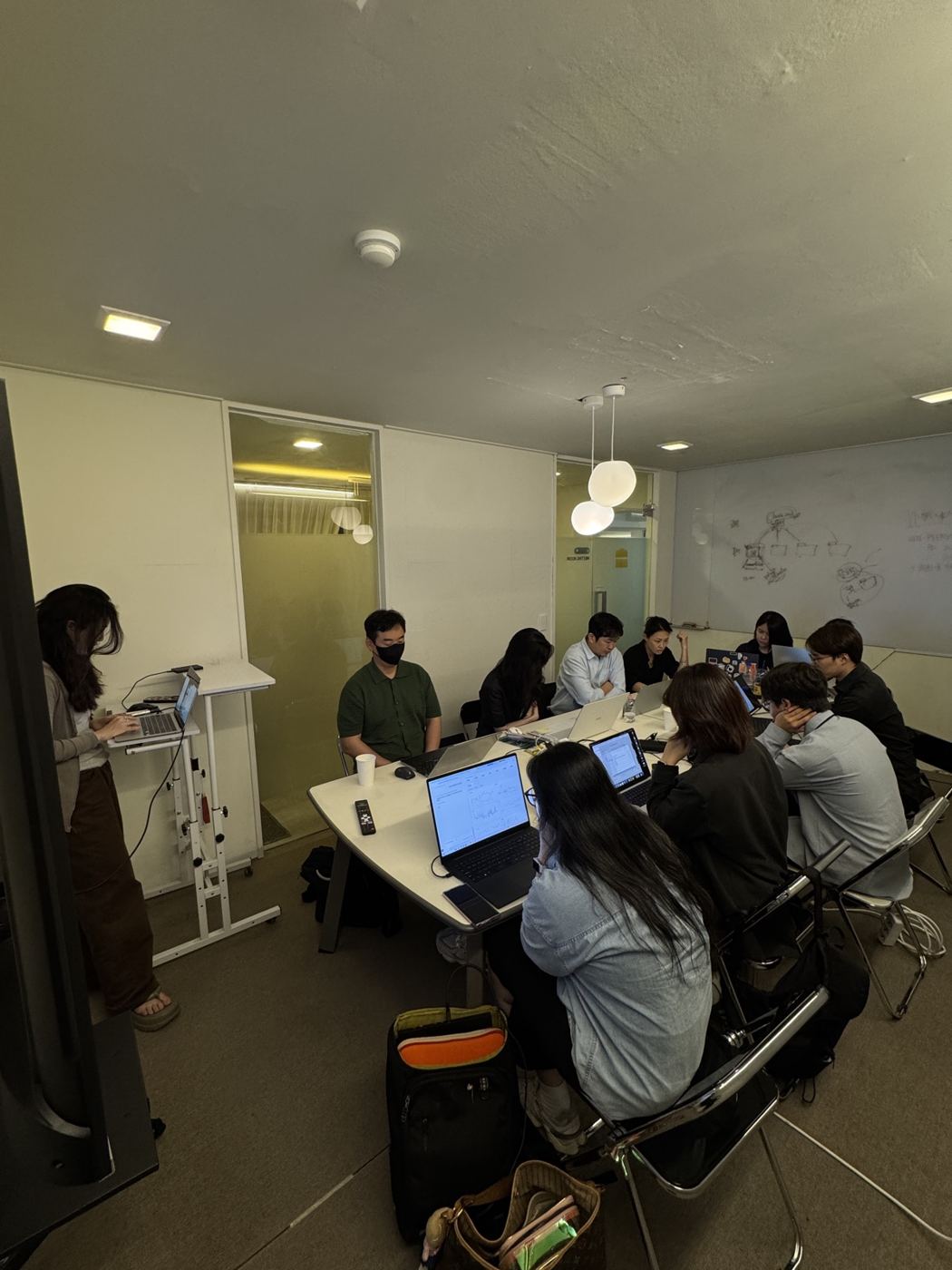
Once the space was bigger, the first thing we put in it was a seminar.
Not the usual "how to use ChatGPT" talk. What we ran was First Steps with Claude Code — a session about building a tool for your own job, with code.
The word "code" makes a lot of people step back. "I'm not a developer." "I don't know any coding at all."
That's exactly why we wanted to run it. Not knowing how to code usually just means you have never turned your own work into a tool.
With Claude Code you describe what you want in plain words. "Rename the files in this folder by date." "Clean up the duplicate rows in this spreadsheet." You can try it without knowing any code.
The point isn't the output. The point is the moment you think, "oh — my work can be a tool too." Once you feel that once, AI looks different. It stops being a thing that answers questions and becomes a thing that takes over the parts of your job you keep repeating.
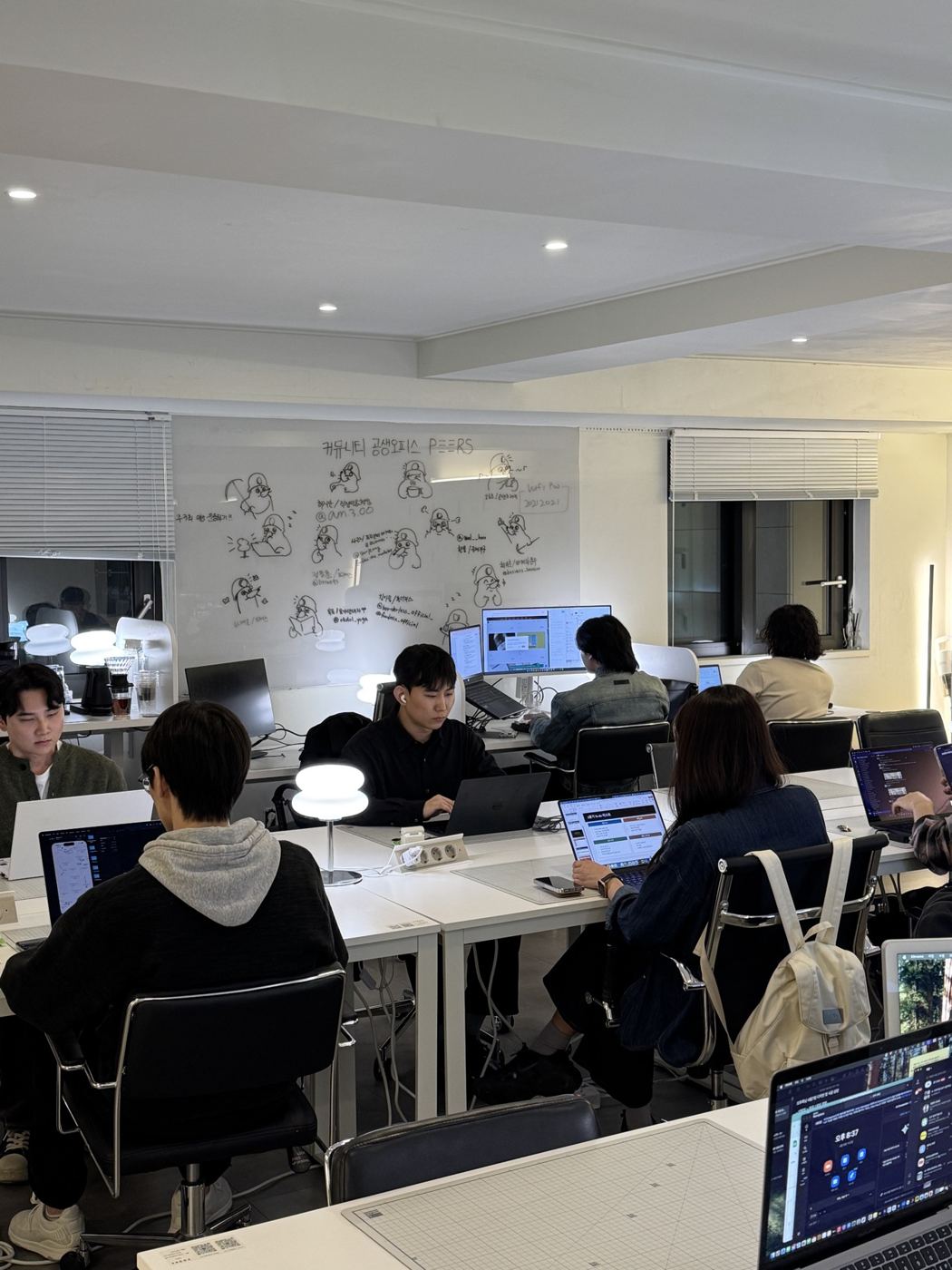
The exercises weren't examples chosen by an instructor. Every participant brought a piece of their own job: the file cleanup they redo every month, the landing page they were building by hand, a customer-reply template, a pile of messy data.
The goal was never to sit through a lecture. It was to leave having changed one real thing about your own work, even slightly.
The response was bigger than we expected. We've now run eight cohorts, with 218 sign-ups in total.
This is a seminar run by a small coworking space in Seongsu. No large education company, no fancy marketing. That this many people still raised their hands told us the anxiety we'd felt at the lunch table — being alone in front of AI — wasn't just ours.
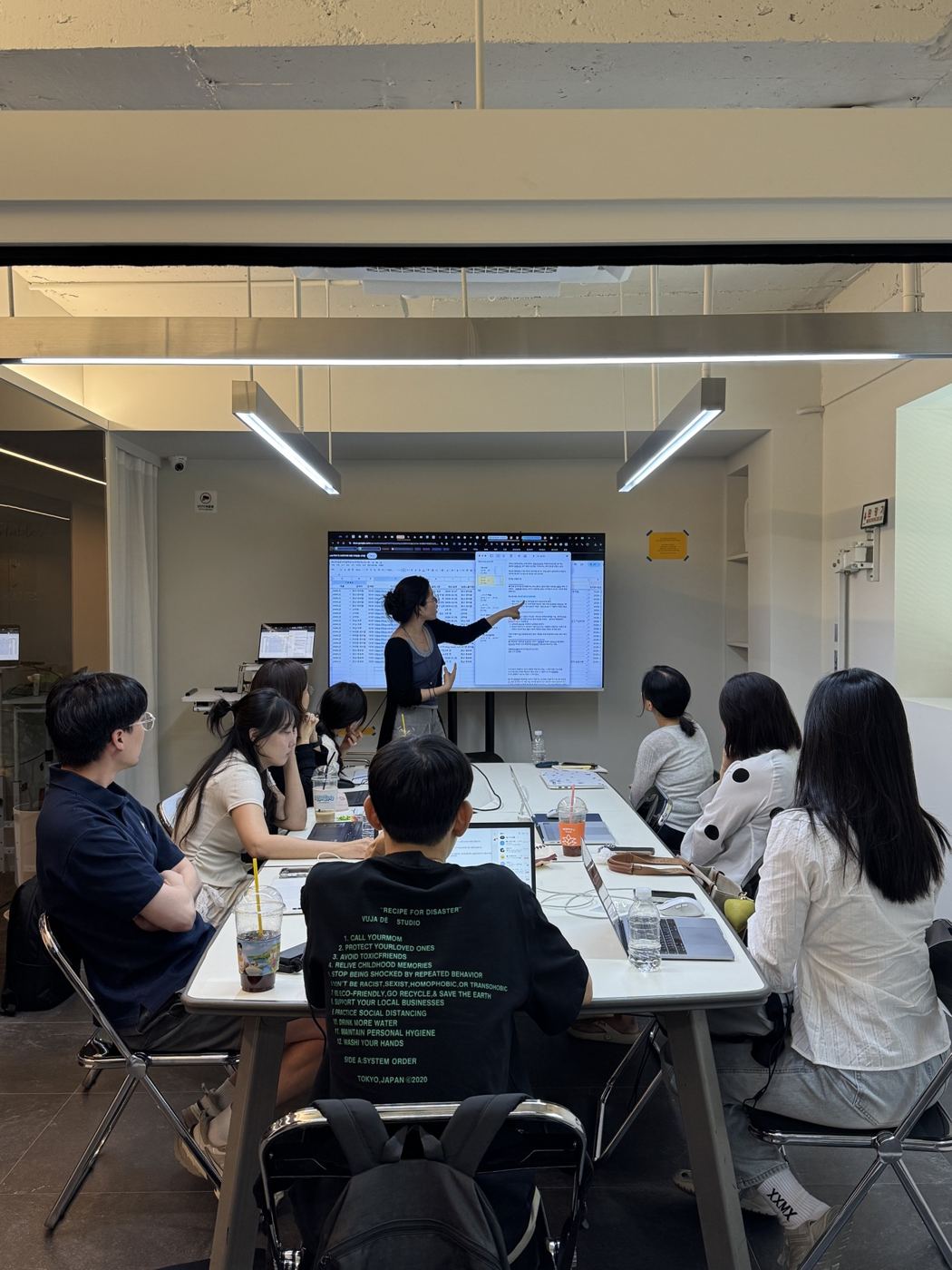
This seminar isn't really about learning Claude Code well. It's closer to a first experiment in changing your own work with AI beside you.
In the next note: the more reckless experiment we ran ourselves — the lock-in retreat.
From PEERS