Why we decided to become an AI community office
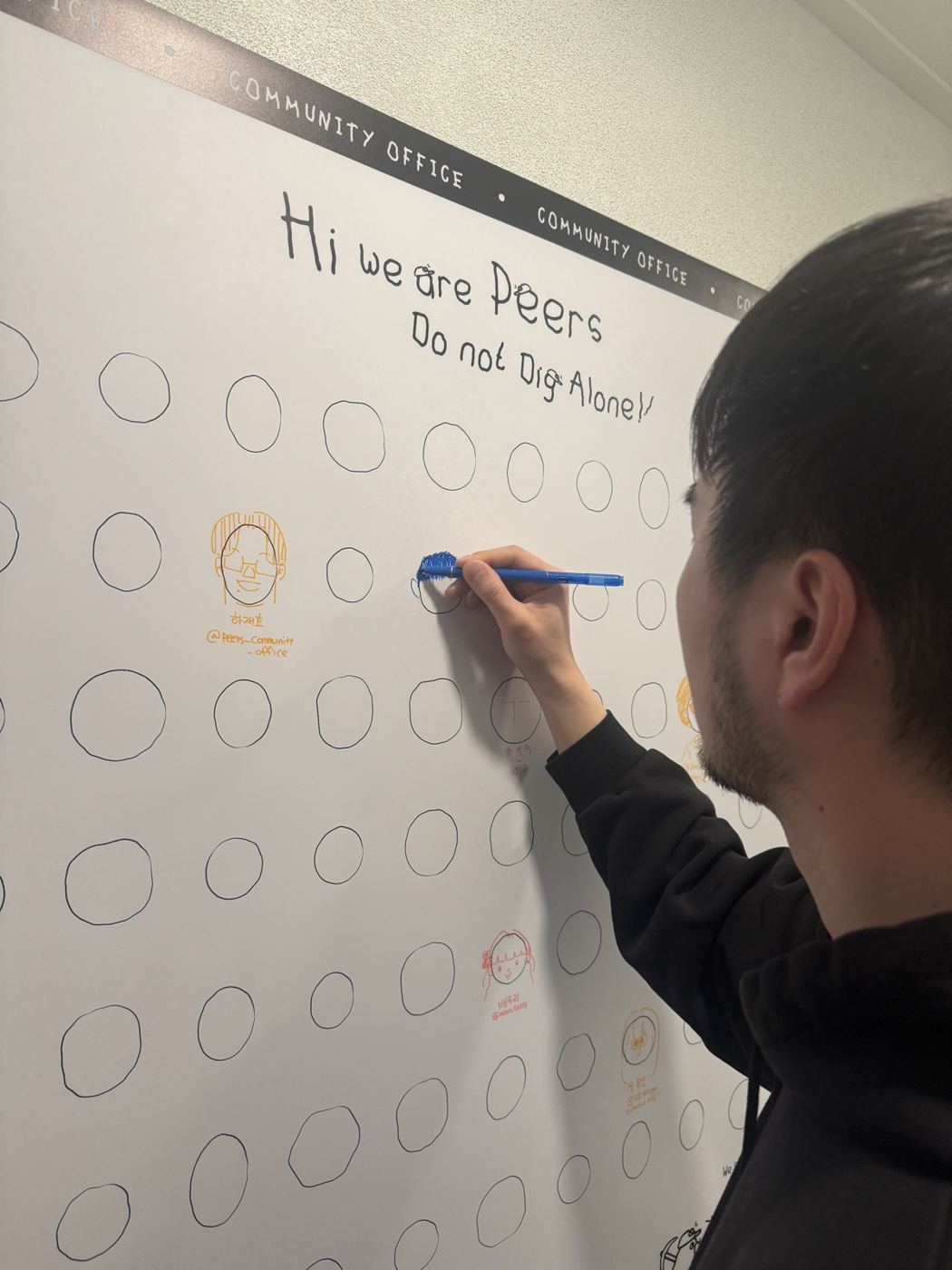
When we started PEERS, the problem we wanted to solve was simple. It was the loneliness of working alone.
Seongsu is full of people who work by themselves — someone running a small brand, a freelancer, someone who has just begun. What they needed wasn't one more desk. It was somebody to say good morning to, and somebody to eat lunch with.
For the past four years, that is what PEERS has been. We ate together every day, introduced whoever was new, and slowly learned what each other actually did. The loneliness of working alone, the fear of being isolated, the worry of falling behind — this space had already been answering all of that.
Then, at some point, a new kind of worry showed up at the lunch table.
AI.
"We eat together every day, but honestly, I have no idea how I'm supposed to use AI."
Nobody had to start the conversation; the same sentence kept coming up on its own. I know I should learn it, but doing it alone means putting it off. I paid for the subscription and still only use it like a search engine. The company next door has already automated things, and I feel like the only one falling behind.
We had solved loneliness. But a new kind of isolation had arrived — being alone in front of AI.
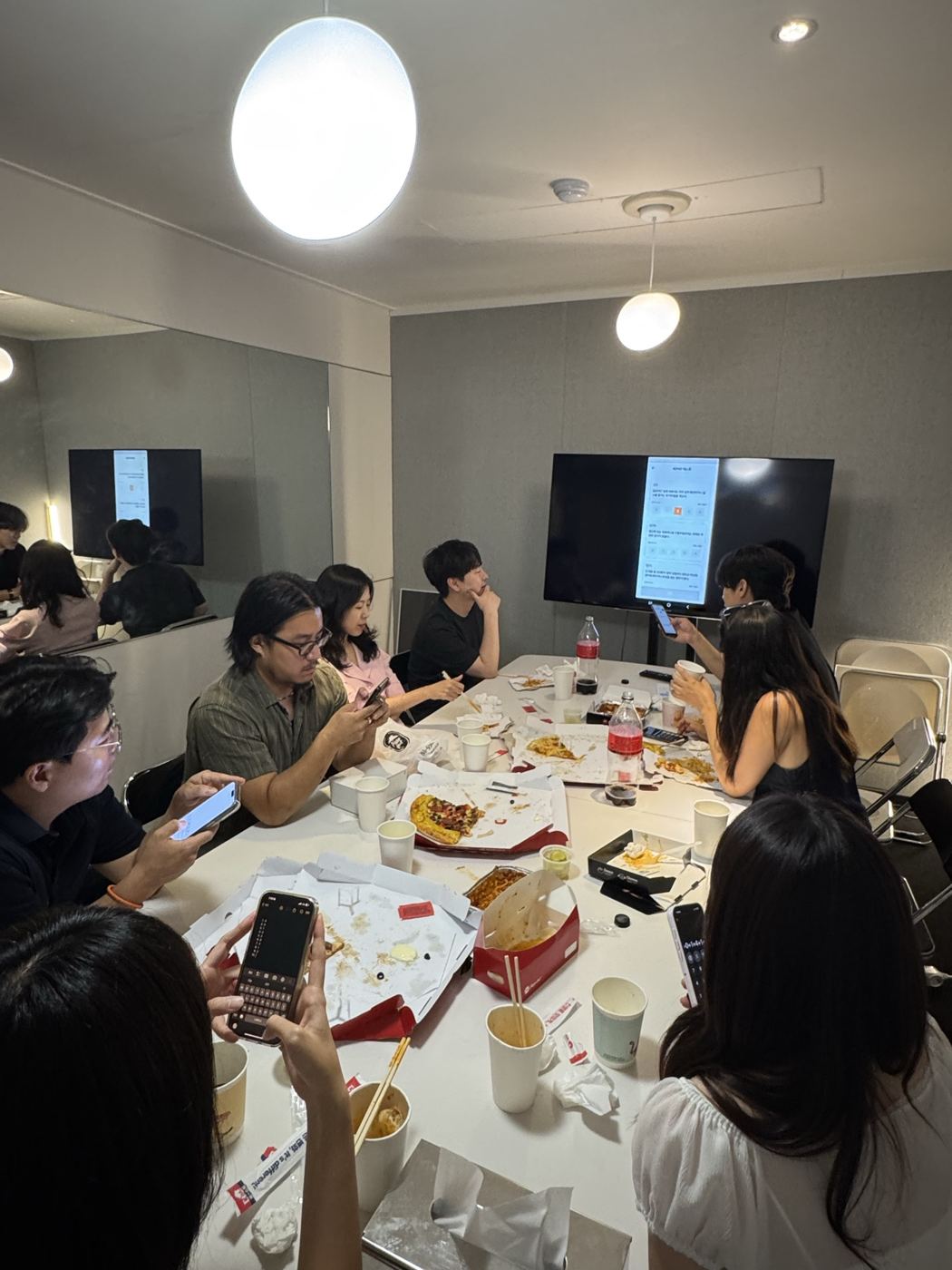
The turning point came from outside.
We got the chance to join a "lock-in retreat" run by the Donghaeng Club team (formerly Netflyeonga). Several days shut in one room, sitting next to each other, each of us finally grabbing the thing we had been putting off. That was when it became obvious: AI is hard on your own, but when you hold onto it together in the same room, it strangely opens up.
We wanted to bring that feeling back to Seongsu.
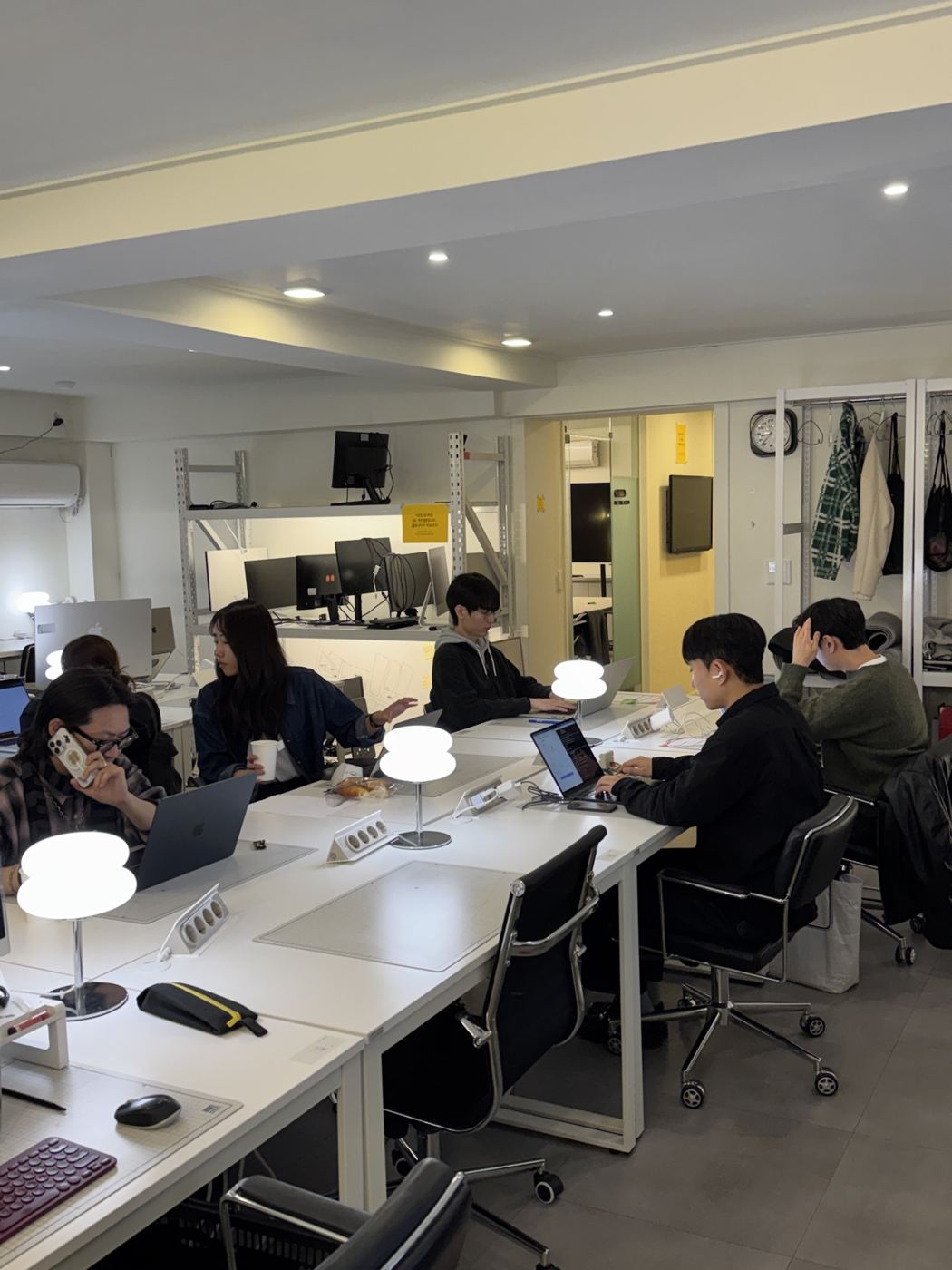
So we decided to turn PEERS into an office where nobody does AI alone.
It isn't a grand declaration. For four years we solved loneliness by eating together. Now we simply want to solve the AI worry that landed on that same table — together.
This is the first note in that record.
From PEERS